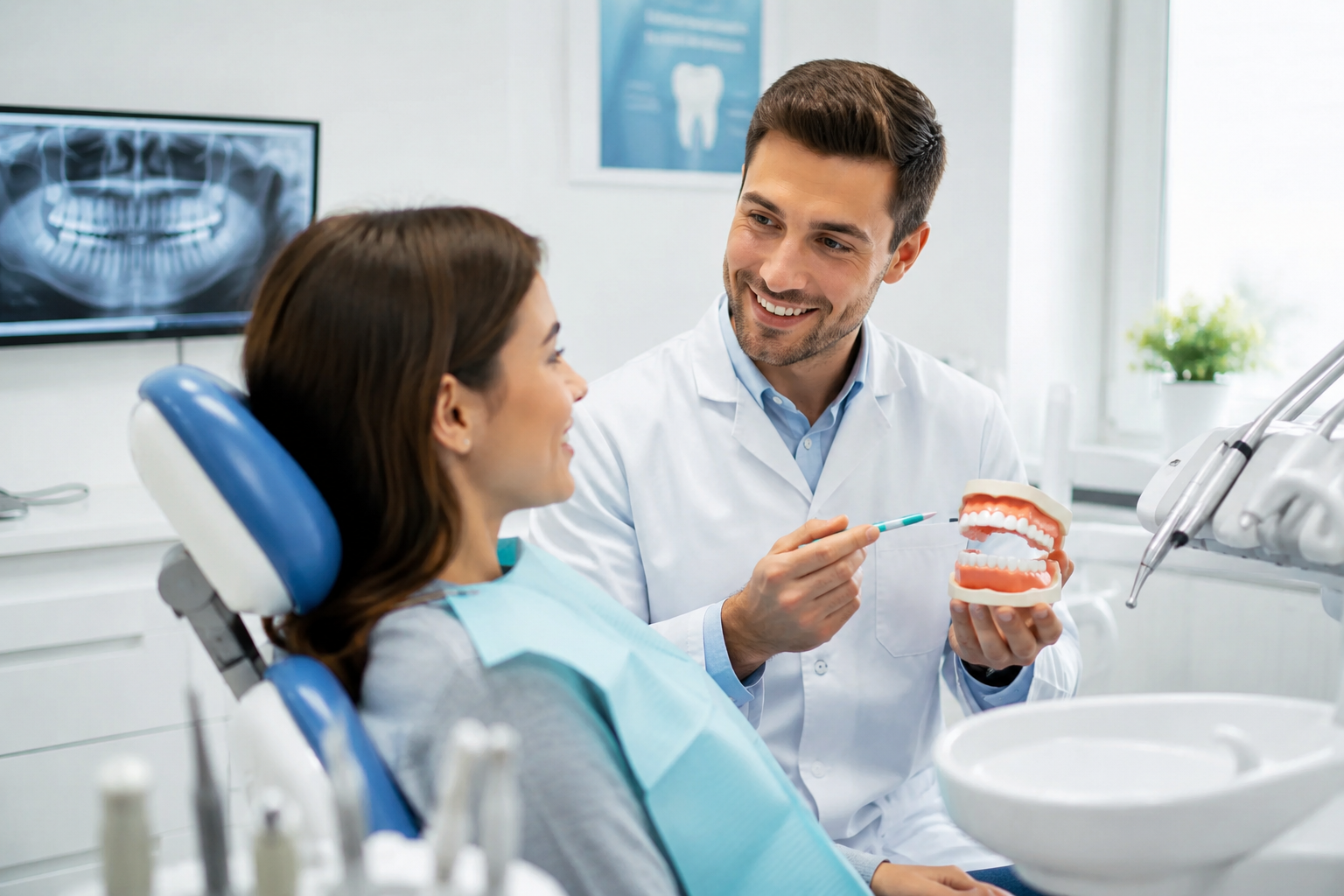
You will discover how cosmetic dentistry does more than improve appearance; it can lower infection risk by repairing damaged teeth, sealing crevices, and improving gum health. Cosmetic procedures like crowns, veneers, and gum contouring can close spaces where bacteria hide, helping prevent dental infections and recurring gum problems.
They make oral hygiene easier and more effective, so daily brushing and flossing actually remove more plaque. As this article outlines specific treatments, infection-control techniques, and long-term benefits, it shows clear steps to protect oral health while enhancing your smile.
Cosmetic dental treatments often reduce infection risk by repairing structural defects, restoring enamel function, and closing gaps where bacteria collect. These actions limit bacterial access, reduce inflammation, and help patients maintain healthier gums and teeth.
Cosmetic dentists use fillings, crowns, and onlays to close cracks and fractures that let bacteria enter the tooth’s inner layers. For example, a bonded composite filling seals small fractures with a tooth-colored resin, while a full-coverage crown encases a heavily fractured tooth to prevent seepage around weakened enamel.
Treatment choice depends on damage extent and occlusion. Dentists evaluate bite forces and may use intraoral scans or bite analysis to select materials that resist wear and maintain a tight seal over time. Properly sealed teeth reduce the chance of pulp infections that require root canal therapy.
Patients benefit from immediate pain reduction and lower long-term risk of abscess formation. Regular checkups let the dentist monitor margins and repair deterioration early, preserving the seal and preventing bacterial penetration.
Cosmetic procedures restore or reinforce enamel with materials that mimic natural hardness and translucency. Porcelain veneers, composite bonding, and microabrasion rebuild worn surfaces, while fluoride varnishes and remineralization therapies strengthen remaining enamel against acid attack.
Restoration targets areas of erosion, abrasion, or demineralization that expose dentin and increase sensitivity and infection risk. For instance, bonding covers exposed dentin tubules to block bacterial pathways and reduce sensitivity that can lead patients to avoid proper oral hygiene.
Dentists tailor restorations to match color and function, using adhesive protocols and surface treatments to ensure long-term retention. Maintaining restored enamel with fluoride toothpaste and professional cleanings keeps the protective barrier effective.
Cosmetic treatment often closes gaps and corrects misalignments that trap food and plaque. Orthodontic alignments, bonded bridges, and well-fitted veneers eliminate interdental spaces where hygiene tools struggle, making brushing and flossing more effective.
Dentists also replace poorly fitting restorations and remove rough margins that harbor biofilm. They recommend materials and finishing techniques that create smooth surfaces, reducing plaque adhesion and making professional prophylaxis more successful.
Patient education and follow-up are integral: dentists instruct on interdental cleaning, recommend adjuncts like water flossers where needed, and schedule periodontal maintenance to keep bacterial load low and prevent reinfection.
These restorative and cosmetic procedures strengthen tooth structure, reduce places where bacteria collect, and make daily hygiene easier. They also lower the risk of future infections when placed and maintained correctly.
Dental veneers are thin porcelain or composite shells bonded to the front of teeth to correct chips, gaps, and discoloration. When a dentist prepares a tooth for a veneer, they remove minimal enamel and create a smooth, sealed margin that limits crevices where plaque and bacteria can accumulate.
Well-fitted veneers eliminate irregular surfaces that trap food particles, making brushing and flossing more effective. Porcelain veneers resist staining and are less porous than natural enamel, which reduces bacterial penetration compared with rough, eroded tooth surfaces. Proper cementation and routine dental checkups are essential: poor fit or failed margins can create new decay risk. Patients who maintain daily oral hygiene and attend professional cleanings preserve both appearance and the lowered infection risk veneers provide.
A dental crown covers and protects a weakened or extensively restored tooth, restoring shape, strength, and function. Crowns—made from porcelain, zirconia, or metal—encapsulate remaining tooth structure and seal margins to block bacterial access to vulnerable dentin and pulp.
Crowns are commonly used after root canal therapy or large fillings; by preventing microleakage and mechanical breakdown, they reduce the chance of recurrent decay and reinfection. Accurate tooth preparation, precise impressions or digital scans, and careful cementation create a tight seal that minimizes gaps. Regular monitoring for margin integrity and prompt repair of chips or loosening maintain the protective effect, so follow-up visits and consistent home care remain important.
Dental practices use targeted measures to reduce infection risk while maintaining aesthetic outcomes. These measures combine material choice, procedural protocol, and staff training to keep cosmetic treatments safe and predictable.
Clinics increasingly select restorative and prosthetic materials with proven antimicrobial properties to lower bacterial colonization at margins and interfaces. Examples include composite resins and cements infused with silver nanoparticles, chlorhexidine-releasing adhesives, and glass ionomer formulations that slowly release fluoride and inhibit biofilm growth.
Material choice focuses on clinical data: reduced plaque adhesion, maintained bond strength, and minimal impact on esthetics. Dentists balance antimicrobial benefits against potential staining, altered handling, or differing wear characteristics.
Practices also use coated implant abutments and provisional restorations with antimicrobial surfaces to protect soft tissues during healing. They document material performance in patient records to guide future care and to monitor for rare allergic or sensitivity reactions.
Sterile technique extends beyond general dental surgery into cosmetic procedures like veneers, bonding, and implant restorations to prevent local and systemic infections. Staff follow standardized steps: pre-procedure antiseptic rinses (0.12%–0.2% chlorhexidine), rubber dam isolation when possible, sterile instruments for tissue manipulation, and single-use disposables for items that contact mucosa.
Operatory workflows minimize contamination by segregating clean and dirty zones, using barrier protection on lights and handles, and running validated sterilization cycles (autoclave indicators and biological monitoring). Clinicians also maintain perioperative antibiotic protocols only when evidence supports them—such as for certain implant or immunocompromised-patient scenarios—to avoid unnecessary use.
Clear documentation of infection-control steps and patient instructions for at-home care (antiseptic rinses, wound hygiene, signs of infection) helps detect issues early and supports successful cosmetic outcomes.
Improved appearance and comfort often lead people to adopt more consistent oral care routines and keep scheduled dental visits. Small changes—like less sensitivity, easier cleaning, and visible progress—can make daily habits stick.
When a patient receives teeth whitening, veneers, or bonded restorations, they often notice immediate visual improvement. Seeing whiter, more even teeth motivates them to maintain that look with twice-daily brushing and daily flossing.
Dentists can reinforce this by prescribing a specific toothpaste for enamel protection or a desensitizing gel after procedures, and by demonstrating brushing angles and interdental cleaning on the patient’s own teeth.
Aesthetic treatments also reduce behaviors that harm dental health. Patients who invested in veneers or crowns tend to cut back on staining foods and smoking to protect their investment.
Clinics often provide written care plans and short videos tailored to the treatment performed, which increases adherence because instructions match the patient’s exact needs.
Cosmetic dentistry requires routine maintenance visits that double as preventive checks. During follow-ups, clinicians inspect margins around crowns and veneers for decay, assess gum health, and check for occlusal wear that could damage restorations.
These appointments allow early detection of issues like recurrent decay, gum inflammation, or microfractures before larger repairs become necessary.
Follow-up schedules vary by treatment—annual hygiene visits plus 6–12 month cosmetic check-ins are common for crowns and veneers; whitening touch-ups may be recommended every 6–18 months.
Record photos and intraoral scans captured at these visits help track changes over time and guide timely interventions, reducing long-term costs and preserving both oral health and the cosmetic result.
Cosmetic dental procedures can improve tissue contours, remove plaque-harboring roughness, and help patients maintain cleaner teeth. Targeted changes to gum shape and attachment reduce pockets, lower bacterial buildup, and make oral hygiene more effective.
Gum recontouring (gingivectomy or gingivoplasty) reshapes excessive or uneven gum tissue to expose more tooth surface and eliminate pockets that collect plaque. When crowns or veneers sit too far below the gumline, dentists may perform crown lengthening to reposition bone and soft tissue so restorations fit without trapping bacteria.
Periodontal plastic surgery, including connective tissue grafts, restores receded gum margins where roots are exposed, reducing sensitivity and sealing areas where bacteria enter. Laser-assisted procedures precisely remove diseased tissue and promote reattachment with minimal bleeding and faster healing.
Careful planning with periodontal measurements, radiographs, and models ensures cosmetic changes preserve or improve attachment levels. Postoperative instructions emphasize gentle cleaning, antimicrobial rinses, and short-term follow-up to protect healing tissue and sustain the benefits of the cosmetic intervention.
Cosmetic dentistry often improves more than appearance; it supports long-term oral health. When teeth are aligned, restored, or replaced, the mouth functions more efficiently, reducing wear and the risk of further damage.
Improved chewing and speech follow many cosmetic procedures. Better chewing helps digestion and nutrition, especially for older adults who may struggle with certain foods.
Many patients experience a lasting boost in confidence that affects daily life. Confidence can encourage social activity, job performance, and willingness to seek routine dental care.
Restorations like crowns, bridges, and implants protect remaining natural teeth. They distribute bite forces evenly and prevent neighboring teeth from shifting, which lowers future treatment needs.
Cosmetic care often leads to better hygiene habits. After investing in a smile, patients typically maintain regular cleanings and adopt improved brushing and flossing routines.
Some procedures reduce chronic discomfort from uneven bites or damaged teeth. Less pain means better sleep, fewer headaches, and increased ability to focus during the day.
Financially, timely cosmetic repairs can avoid more costly emergency treatments later. Preventive maintenance and early correction tend to be more predictable and budget-friendly.
Patients should discuss goals and medical history with their dentist to choose appropriate options. A personalized plan balances aesthetic desires with functional benefits and long-term health.
If questions remain, the dentist can explain options, expected outcomes, and maintenance steps to protect both smile and overall well-being.
Patients should start by discussing their specific infection risk with a dentist who understands cosmetic and restorative needs. A short health history and oral exam reveal factors like gum disease, previous restorations, or immune conditions that change prevention strategies.
They can compare everyday options easily. Examples include:
Dentists may recommend procedural adjustments to reduce infection risk during cosmetic work. Simple changes—pre-procedure antiseptic swabs, minimally invasive techniques, or staging treatments—can make a measurable difference.
Patients with higher risk benefit from tailored plans. This might combine pre-op antibiotics when indicated, enhanced follow-up care, and home-care coaching to protect new veneers, implants, or bridges.
Cost, convenience, and comfort matter when choosing a solution. A brief comparison table helps clarify options:
| Option | Typical Use | Patient impact |
|---|---|---|
| Daily hygiene upgrades | Universal | Low cost, high benefit |
| Antimicrobial rinse | Short-term/pre-op | Moderate convenience |
| Topical antimicrobials | Localized risk | Targeted protection |
| Prophylactic antibiotics | High-risk cases | Prescription, monitored use |
They should ask about benefits, risks, and expected outcomes during a consult. Encourage readers to schedule a visit to review personalized prevention and feel confident about their cosmetic dental choices.
This section answers practical questions about appearance, materials, lifespan, durability, risks, and payment for cosmetic dental treatments. It focuses on realistic outcomes, typical timelines, and patient-centered considerations.
A dentist can plan conservative changes that match facial proportions and natural tooth color. They use shade guides, digital mock-ups, and try-in restorations so results stay subtle and lifelike.
Technicians craft translucency and texture into veneers or crowns to mimic real enamel. Minimal-prep options and selective bonding preserve natural tooth structure and avoid an “overbuilt” look.
Veneers: Porcelain veneers offer superior stain resistance and longer lifespan, typically 10–15+ years. They require some enamel reduction and higher upfront cost.
Bonding: Composite bonding costs less and can be completed in one visit with minimal enamel removal. It stains and chips more easily than porcelain and usually needs touch-ups or replacement within 5–7 years.
Porcelain veneers commonly last 10–15 years with good care; some last 20 years or more. Regular dental checkups, gentle brushing, and avoiding hard-biting habits extend their service life.
Patients should use non-abrasive toothpaste and consider a night guard if they grind teeth. Veneers are not immune to damage; repairs or replacements may be necessary over time.
Bonding works well for surface stains, small chips, and minor gaps and restores color quickly at lower cost. It bonds directly to enamel, providing immediate aesthetic improvement.
Durability ranges from 3–7 years depending on oral hygiene, diet, and habits like nail-biting. Expect periodic polishing or re-bonding to maintain appearance.
Common issues include staining, chipping, and gradual wear compared with porcelain restorations. Avoiding coffee, red wine, and smoking reduces staining risk.
Prevent chips by not using teeth as tools and by wearing a night guard if grinding. Choose a skilled dentist and follow maintenance visits to catch and fix minor issues early.
Many practices offer in-office payment plans that split costs over several months. CareCredit provides revolving credit for healthcare with promotional low- or no-interest plans for 6–24 months on many procedures.
Patients can also check for third-party medical loans, dental-specific lenders, or flexible spending accounts (FSA) if eligible. The office financial coordinator can run examples and monthly-payment estimates during consultation.
